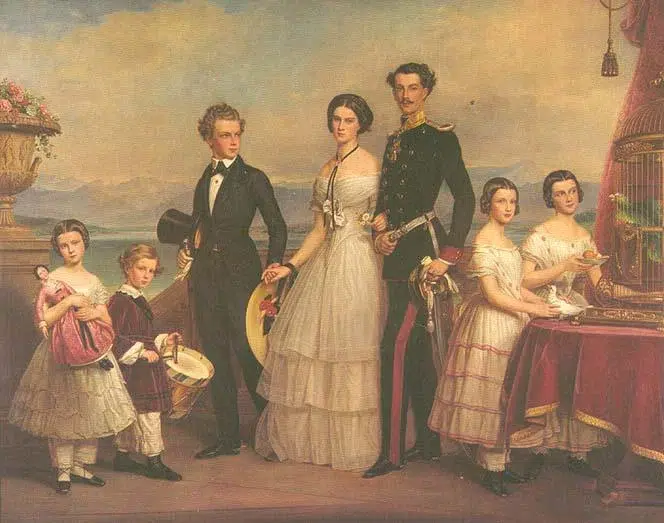
Empress Elisabeth of Austria Children: A Complete
Introduction: Empress Elisabeth of Austria Children
Empress Elisabeth of Austria, famously known as “Sisi,” was one of the most iconic figures in European history. Her life was a mixture of beauty, tragedy, and royal responsibility. While much has been written about her fashion, travels, and influence, her role as a mother remains equally significant. Understanding the story of Empress Elisabeth of Austria children gives us deep insight into her private struggles, family relationships, and the dynastic pressures of the Habsburg monarchy.
Elisabeth and Emperor Franz Joseph I had four children, each with a distinct story:
- Archduchess Sophie (1855–1857)
- Archduchess Gisela (1856–1932)
- Crown Prince Rudolf (1858–1889)
- Archduchess Marie Valerie (1868–1924)
These children played different roles in the history of Austria, but their lives were often shaped by court politics, strict traditions, and tragic circumstances.
The Birth of Empress Elisabeth of Austria Children
Elisabeth married Emperor Franz Joseph I at just sixteen years old, and soon after, the pressure to produce heirs began. The birth of their children was not only a personal matter but also a political one.
The Habsburg Family Pressure
The Austrian royal family expected Elisabeth to focus on motherhood. However, Empress Elisabeth often struggled with the constraints of court life, which directly influenced her relationship with her children. Her mother-in-law, Archduchess Sophie, frequently took control over their upbringing, creating tension within the family.
Archduchess Sophie: The First Child
The first of Empress Elisabeth of Austria children was Archduchess Sophie, born in 1855. Unfortunately, Sophie’s life was tragically short. She died in 1857, at just two years old, during a family trip to Hungary, possibly from typhus or another illness.
Impact on Elisabeth
The death devastated Elisabeth. Many historians argue that this early tragedy shaped her emotional distance from court life. She blamed herself for Sophie’s death, and this guilt influenced how she raised her later children.
Archduchess Gisela: The Dutiful Daughter
The second child of Empress Elisabeth of Austria was Archduchess Gisela, born in 1856. Unlike her mother, Gisela lived a relatively stable life.
- She married Prince Leopold of Bavaria in 1873.
- The marriage was considered politically advantageous, strengthening ties between Austria and Bavaria.
- Gisela became a devoted mother to her own children, ensuring a sense of stability that Elisabeth struggled to provide.
While Gisela never gained the fame of her brother Rudolf or sister Marie Valerie, her role as a responsible royal daughter was important for the dynasty’s continuation.
Crown Prince Rudolf: The Tragic Heir
Perhaps the most famous of Empress Elisabeth of Austria children was Crown Prince Rudolf, born in 1858. As the only son, Rudolf was the heir to the Habsburg throne.
Rudolf’s Education and Conflicts
- Raised under strict military discipline by his father, Emperor Franz Joseph.
- Shared a deep bond with his mother, Elisabeth, who sympathized with his struggles.
- Interested in liberal ideas, which clashed with the conservative empire.
The Mayerling Incident
Rudolf’s life ended tragically in 1889 at Mayerling, in what is now known as the Mayerling Incident. He and his lover, Baroness Mary Vetsera, were found dead in a double suicide (though some historians argue alternative theories).
This event not only shocked Europe but also left a lasting scar on Elisabeth, who became more withdrawn after his death.
Archduchess Marie Valerie: “The Hungarian Child”
The youngest of Empress Elisabeth of Austria children was Archduchess Marie Valerie, born in 1868. Known as Elisabeth’s favorite child, she was nicknamed “the Hungarian child” because she was born after Austria’s reconciliation with Hungary.
Elisabeth’s Special Bond
- Unlike with her earlier children, Elisabeth took an active role in Marie Valerie’s upbringing.
- The Empress and her daughter shared a close bond, traveling together frequently.
- Marie Valerie eventually married Archduke Franz Salvator of Austria and had a large family, continuing the Habsburg line.
Marie Valerie’s life symbolized Elisabeth’s desire for freedom and personal affection within the rigid structure of monarchy.
Comparative Overview of Empress Elisabeth of Austria Children
Here’s a quick summary of her children’s lives:
| Child | Years Lived | Key Details | Legacy |
|---|---|---|---|
| Archduchess Sophie | 1855–1857 | Died young | Symbol of Elisabeth’s maternal grief |
| Archduchess Gisela | 1856–1932 | Married into Bavarian royalty | Stability and dynastic alliance |
| Crown Prince Rudolf | 1858–1889 | Mayerling tragedy | Ended Habsburg male succession hopes |
| Archduchess Marie Valerie | 1868–1924 | Elisabeth’s favorite | Continued Habsburg family line |
Elisabeth as a Mother: A Complex Role
Although the lives of Empress Elisabeth of Austria children were shaped by politics and tragedy, Elisabeth herself had a complicated role as a mother.
- Limited Control: Her mother-in-law often controlled her children’s upbringing.
- Emotional Struggles: Elisabeth’s depression and guilt sometimes created distance.
- Strong Attachments: Despite difficulties, she shared close ties with Rudolf and Marie Valerie.
Her motherhood reflected both the limitations placed on women in royal courts and the personal tragedies she endured.
Historical Legacy of Empress Elisabeth of Austria Children
The story of Empress Elisabeth of Austria children highlights broader themes in European history:
- Dynastic Politics: Their marriages and roles were shaped by political needs.
- Personal Tragedy: Deaths and scandals deeply affected the empire.
- Cultural Symbolism: Elisabeth’s bond with Marie Valerie symbolized Hungary’s importance in the monarchy.
Modern Interest and Cultural Depictions
The lives of Elisabeth and her children continue to fascinate historians, filmmakers, and writers. From the Mayerling tragedy to her close relationship with Marie Valerie, these stories are often depicted in documentaries, novels, and films.
For readers interested in European royal history, you can also read our guide on [The Habsburg Dynasty Explained] for deeper context. Additionally, external resources such as the Austrian National Library archives provide original documents on Elisabeth’s family life.
Conclusion: Empress Elisabeth of Austria Children
The story of Empress Elisabeth of Austria children is one of love, loss, and dynastic duty. From Sophie’s early death to Rudolf’s tragic end, and from Gisela’s stability to Marie Valerie’s favored status, each child’s life reflected both the grandeur and struggles of the Habsburg monarchy.
Elisabeth herself remains one of history’s most romanticized figures, and her children’s stories continue to shape how we understand her legacy. Through their triumphs and tragedies, the family left an enduring mark on European history.


You May Also Like

929 Area Code Blog: Complete Guide to New York City’s Modern